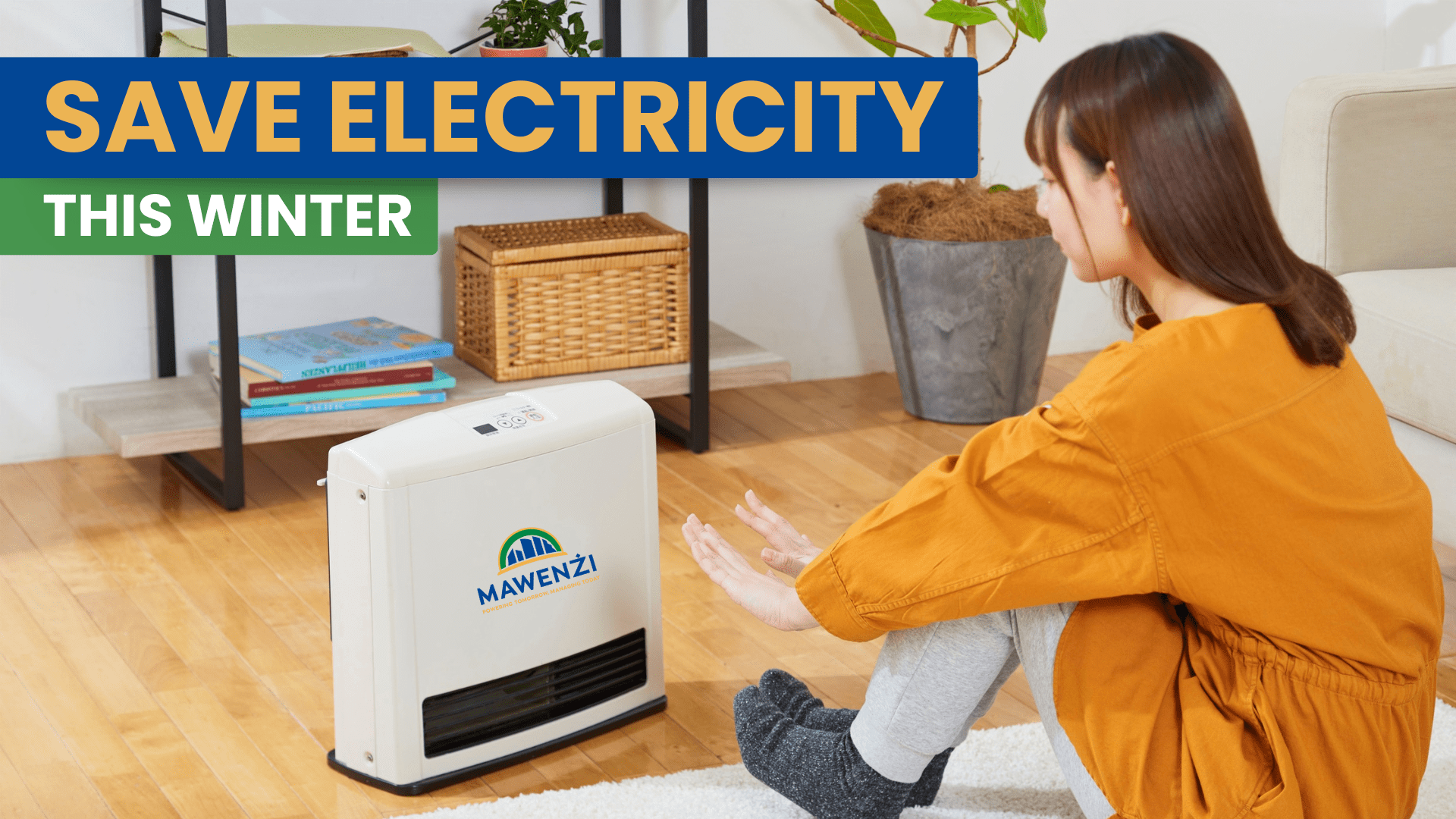
How To Save On Electricity Usage This Winter
With winter well on its way, South Africans can save on winter electricity costs by focusing on the biggest energy users first:
- Geysers
- Heaters
- Insulation
- Lighting
usage monitoring
Most importantly, the greatest savings usually come from managing hot water and heating-appliances more efficiently.
Why Do Electricity Bills Increase in Winter?
The winter season places extra pressure on household electricity usage in South Africa due to the cooler weather conditions. Colder mornings and evenings mean more heating devices are used more often, longer hot showers are taken by households, more kettle and oven use takes place, and increased indoor appliance usage becomes the norm as people spend more time indoors.
Geysers contribute to the most electricity consumption in most homes and offices during winter, meaning slight adjustments to their usage can make a significant difference to your monthly electricity bill.
For households, estates, and small businesses, the key to saving electricity is not necessarily using less of everything. It is about identifying the highest-consumption areas and managing them smarter.
Below we have taken the time to elaborate on a five (5) areas which can help households minimize their overall monthly electricity consumption during the colder months:
1. Manage Your Geyser Properly
Your geyser is one of the best places to start. We highly recommend lowering geyser temperatures to between 55°C to 60°C. By doing so your geyser will use less electricity while trying to maintain a higher average temperature in the colder weather, meaning it will turn on less and won’t require maintaining a very high average temperature.
Here are a few steps you can take to help your geyser use less electricity:
- Set your geyser to around 60°C.
- Use less hot water where possible.
- Repair dripping hot taps (if any).
- Insulate older geysers with a geyser blanket.
- Consider using a timer for controlled heating periods (set the timer to turn on at 05h00 in the morning, and off at 08h00, then on again at 17h30 and off again at 20h00, ensuring the geyser isn’t running all day trying to maintain hot water when it’s not required.
2. Heat Only the Rooms You Use
Heating entire homes is expensive and often unnecessary. We would highly recommend using heaters controlled by thermostats (meaning that they will turn on only when the temperature drops below a certain level), and more importantly heating only the rooms being used, while closing the doors to rooms which aren’t being used as this means less areas for your heaters to heat.
TOP TIP: Close curtains during the late afternoons and evenings, as curtains act as mild insulators - keeping heat from being lost through windows.
3. Improve Insulation and Reduce Heat Loss
A poorly insulated home loses heat quickly, meaning heaters must work harder and for longer.
Small improvements to insulation can make a big difference, including:
- Close curtains at night.
- Use draft stoppers at doors.
- Seal gaps around windows.
- Improve ceiling insulation where possible.
- Keep internal doors closed when heating specific rooms.
These small changes help keep warmth inside the home, meaning less heat loss and therefore heaters need to work less in order to maintain the warm temperatures inside the building.
4. Use Appliances More Efficiently
Everyday appliances also contribute to winter electricity costs. Set your fridge to a high temperature of 3°C to 5°C, checking seals and avoiding unnecessary opening of the fridge door.
Other practical steps include:
- Boil only the water you need (even going as far as keeping hot water in a flask instead of re-boiling the kettle multiple times a day).
- Avoid using tumble dryers where air-drying is possible.
- Switch off appliances at the wall when not in use.
- Replace inefficient lighting with LEDs.
If the sun is out and your home is north facing, open the curtains and allow the warm sun’s rays to heat up any rooms in the house, while turning the heaters off for a few hours.
Small daily habits like these can reduce unnecessary electricity usage without affecting your overall comfort too much.
5. Use Smart Metering to Track and Control Usage
One of the most effective ways to save electricity is to understand where and when it is being used. Smart metering gives households, estates, and businesses more transparency regarding what their electricity consumption patterns are during the course of a 24 hour day.
With smart metering, you can:
- Track usage more accurately to understand when your highest usage periods are.
- Identify unusual spikes (usage of unnecessary appliances).
- Improve monthly budgeting by knowing what you are spending, or have spent, halfway through the month.
- Compare usage before and after behaviour changes.
- Make better decisions about heating, geysers, and appliances.
Smart metering allows you to track your usage, giving you the opportunity to adjust your electricity usage in a more optimal way.
Simple, Smart Solution
Mawenzi Utilities Management provides user-friendly smart metering and utility management solutions designed for South African households, estates, and businesses.
Through accurate metering, transparent billing, and real-time usage visibility, Mawenzi helps users move away from guesswork and toward better electricity usage and control, especially in the colder, winter months.
Less electricity usage = more financial savings!
Saving electricity this winter starts with the basics: manage your geyser, heat smarter, reduce heat loss, use appliances efficiently, and track your consumption.
With smart metering solutions from Mawenzi Utilities Management, South Africans can better understand their electricity usage, reduce wasteful expenditure, and take control of monthly utility costs.
MAWENZI - Utilites Management Solutions Specialists
For more information on our services please get in touch with us – www.mawenzi.co.za