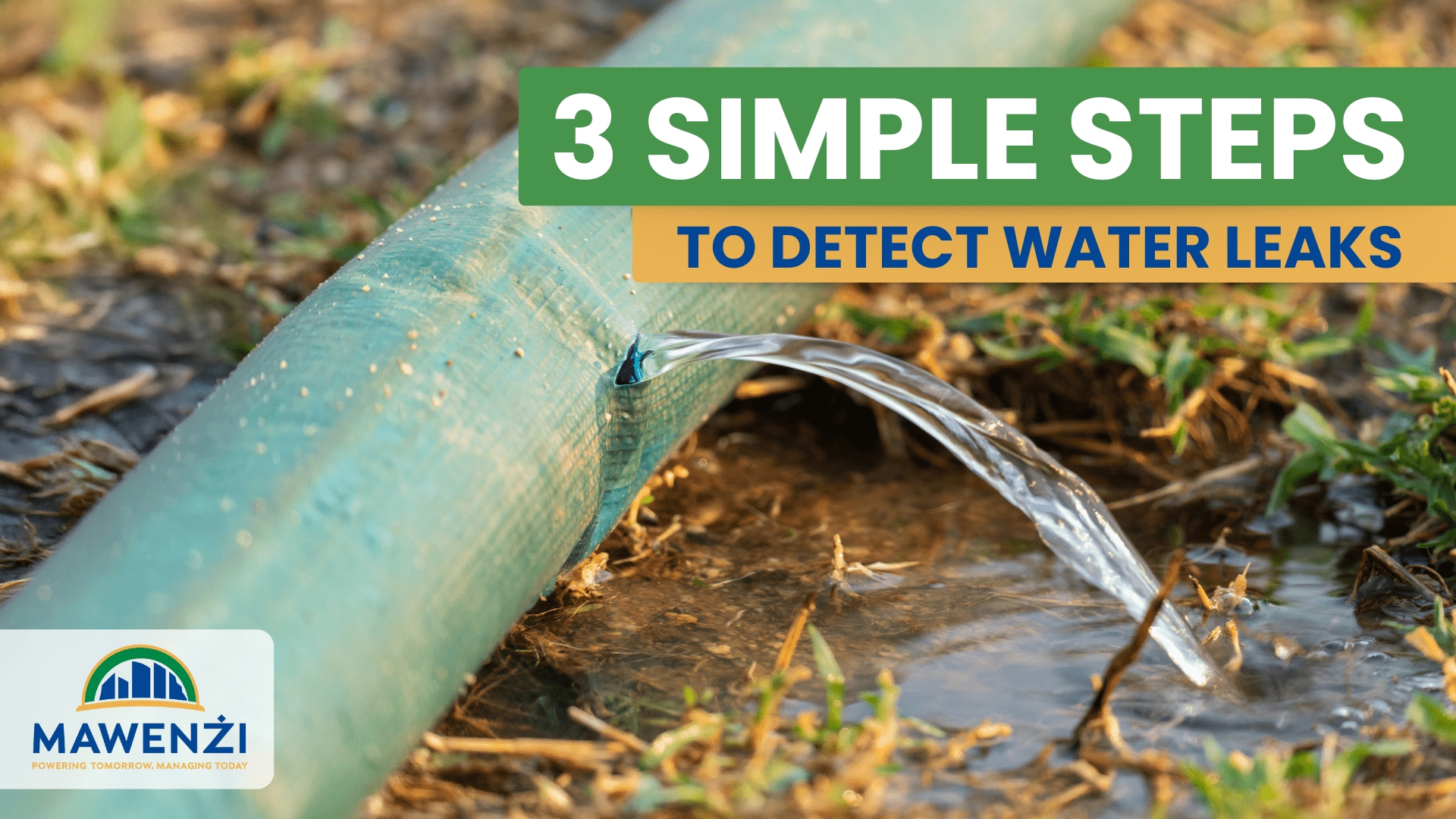
A 3-Step Guide To Detecting Water Leaks
Why Water Leak Detection Matters
Many water leaks start small and go unnoticed for weeks or even months. A leaking toilet, damaged pipe or faulty irrigation system may not seem significant at first, but over time it can waste thousands of litres of water and lead to a substantial increase in monthly utility costs.
In South Africa, where water remains a valuable and increasingly pressured resource, early leak detection is essential for both cost control and responsible water management.
The challenge is that most property owners only discover a leak when they receive an unexpectedly high water bill. By then, the damage has often already been done.
How Smart Water Metering Helps
Traditional water meters only show a total reading when manually checked. Smart water meters provide far more visibility by recording and monitoring usage continuously.
This enables property owners and managers to:
● Track water consumption more accurately
● Identify unusual usage patterns
● Detect continuous water flow when no water should be used
● Investigate potential leaks earlier
● Improve overall water management
Rather than waiting for a monthly bill, smart metering helps turn water consumption into something that can be monitored and managed proactively.
Common Signs You May Have a Water Leak
Some of the most common warning signs include:
● A sudden increase in your water bill
● Water usage that remains high despite no change in behaviour
● Damp walls, paving or garden areas
● Running toilets
● Dripping taps
● Lower water pressure
● Unusual overnight water consumption
If any of these occur, it is worth investigating further.
Step-By-Step: How to Check for a Water Leak
Step 1: Turn Off All Water Appliances
To ensure that no water is being consumed during your testing period, please turn off all appliances which may consume water, such as:
● Taps
● Washing machines
● Dishwashers
● Irrigation systems
● Pool top-up systems
The aim is to create a period where water usage should be zero while you test for any leaks.
Step 2: Inspect Water Usage
Once all water usage has stopped, inspect your water meter right away, and then again in roughly an hour.
Take note if the meter continues to move, indicating continued water flow within the property.
Where smart metering is installed, usage data can immediately indicate whether water consumption continues during periods when it should not (i.e. the middle of the night when nobody is using any water appliances). This can be analysed by looking at the past 24 to 48 hours consumption statistics, if available.
NOTE - The property’s water meter is usually located along one of the house or office.
If the water meter is still indicating ‘flow’, or your smart water meter is indicating constant consumption, check your connections for any leaks. Toilets are one of the most common sources of hidden water leaks, therefore check the following:
● Constant water movement in the bowl
● Faulty flush mechanisms
Even a small toilet leak can waste a significant amount of water over time.
If your toilets are not showing any signs of flow, move on to check the rest of the plumbing, such as:
● Kitchen taps
● Bathroom taps
● Outdoor taps
● Under-sink plumbing
● Geyser overflow pipes
Small drips can quickly add up and contribute to unnecessary water costs.
You can also investigate outdoor irrigation systems, which are often responsible for unexpected water losses.
Search for:
● Leaking taps or irrigation pipes
● Wet patches in gardens
Step 3: Contact A Qualified Plumber
As a last resort, if your meter still indicates water usage but no obvious leak can be found, we highly recommend contacting a reputable plumber to come out and assist with providing a professional inspection as the leak could be situated:
● Underground
● Behind walls
● Beneath paving
● Within pool systems
At this stage, it is usually best to contact a qualified plumber or leak detection specialist.
How Smart Metering Makes Leak Detection Easier
Smart metering removes much of the guesswork associated with leak detection.
By providing access to real-time consumption data, users can quickly identify:
● Unexpected spikes in usage
● Continuous overnight water flow
● Sudden changes in consumption patterns
This allows problems to be investigated sooner, reducing both water waste and potential costs.
The Mawenzi Solution
The earlier a water leak is detected, the easier and less expensive it is to fix.
Mawenzi's Smart water metering solutions provide the transparency and accessibility needed to identify abnormal water usage before it becomes a costly problem. Whether you are a homeowner, property manager or business owner, having access to real-time consumption data can save money, reduce waste and improve overall utilities management.
With Mawenzi Utilities Management, smarter water monitoring means fewer surprises and greater control over your water usage.
MAWENZI - Utilites Management Solutions Specialists
For more information on our services please get in touch with us – www.mawenzi.co.za